Every morning you feel like sleeping longer than ever before, your shoulders are sore, and your brain refuses to shut off. Do you relate to this scenario? If so, you are not alone or crazy in the slightest. Stress takes a toll on your body, and the sooner it is dealt with, the better. The good news is that it is fairly simple to deal with, mostly because there is a free and always available toolbox in your possession. In this article, you will see how simple it is to reduce stress and introduce it as a regular part of your life. You will also find some stress management tips that would be useful to someone with a hectic schedule.

Understanding the Fundamentals of Stress
Stress is entirely normal, and the rush of adrenaline that comes with it is your body preparing for fight or flight. Your heart begins to pump, your muscles tense up, and your brain begins to produce cortisol, a hormone that gives you a surge of energy. The tell-tale signs of stress manifest in the form of:
- Headache, tense muscles
- Poor sleep patterns
- Feeling moody or unable to stop thinking about a problem
- Upset stomach
- Lack of focus
Stress and anxiety are not the same things. The former is your body’s response to a stress or in the environment, such as financial problems or a fight with a friend. These are mostly situational and cease once the problem is resolved. Anxiety, on the other hand, can appear out of nowhere and can last for long periods of time with no particular reason. In extreme cases, it can become a diagnosed medical condition.
How to Quickly Reboot Your Physical and Mental State
In instances when you feel overwhelmed and need to cool down, try these stress-busting tactics.
1. Get active
Exercise releases endorphins, hormones that make you feel happy and calm. It can be as simple as taking a ten-minute walk or jogging at the gym. Working out regularly can become an easy part of your day and will provide you with stress relief. Do what you enjoy doing so that being physically active will be a pleasure rather than a task.
2. Breathe in and out
A stress-reducing technique that can become a permanent fixture in your life, deep breathing can be used anytime you feel tense. The 4-7-8 breathing pattern is a widely known and easy to use technique. Inhale through your nose for 4 seconds, hold your breath for 7 seconds, then slowly exhale for 8 seconds. Repeat this cycle 3-4 times until you feel better.
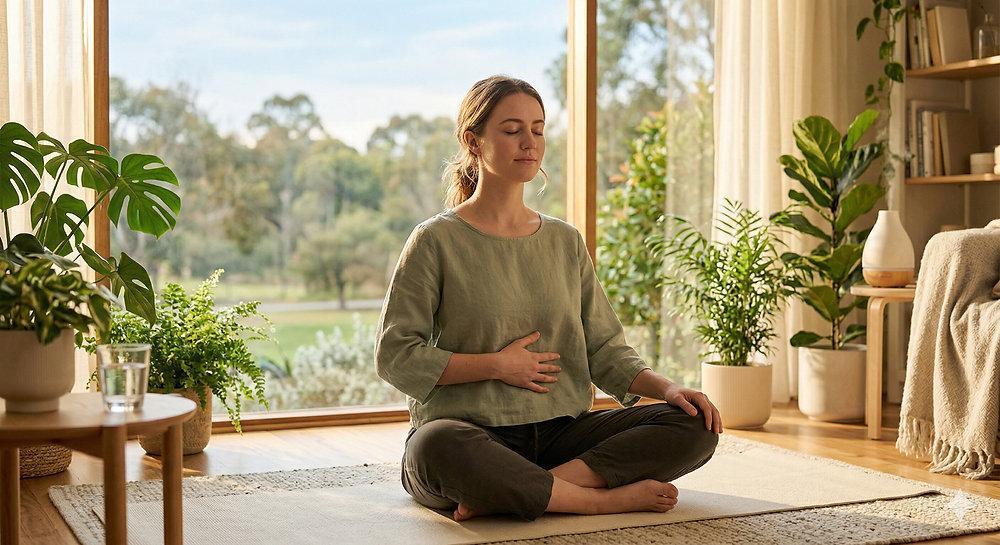
3. Mindfulness practice can teach your brain to control your body and reduce stress.
Set aside 5 minutes and try to focus on your breathing. Whenever your thoughts begin to wander, bring them back to the sensation of air leaving your lungs. There is no right or wrong way to practice mindfulness. Some people find it helpful to listen to a guided meditation, but it is by no means mandatory.
4. Get outside!
Being in a stressful environment can cause your cortisol levels to rise. If you are unable to access nature, you can still reduce the stress by taking a walk or doing another relaxing activity outside. A busy mind is one of the main contributors to stress, so do whatever you can to keep it occupied.
Get distracted by solving puzzles or text your best friend, or try aromatherapy. Using essential oil diffuses is a cheap and easy way of reducing tension and anxiety. Some of the popular and budget-friendly essential oils are sweet orange, lavender, pine, and lemon. Remember that essential oils should not be ingested under any circumstances and should always be diluted before applying to the skin.
5. Immediate Stress Relievers
Chewing sugar-free gum has been shown to reduce cortisol, the stress hormone. Another effective way of reducing cortisol is to drink hot green tea.
6. Creative and Social Solutions for Stress
Stress can build up when you are alone with your thoughts, which is why socializing and engaging in creative activities can be a healthy way to deal with it.
7. Be social
When you feel stressed, you should surround yourself with people that help you to feel better. Take a walk with your family or call a friend to catch up. A supportive friend will always understand you and listen to your problems. In times when you are unable to reach out to a person, you can soothe your stressed and anxious mind by petting a cat or a dog.
8. Unleash your creativity
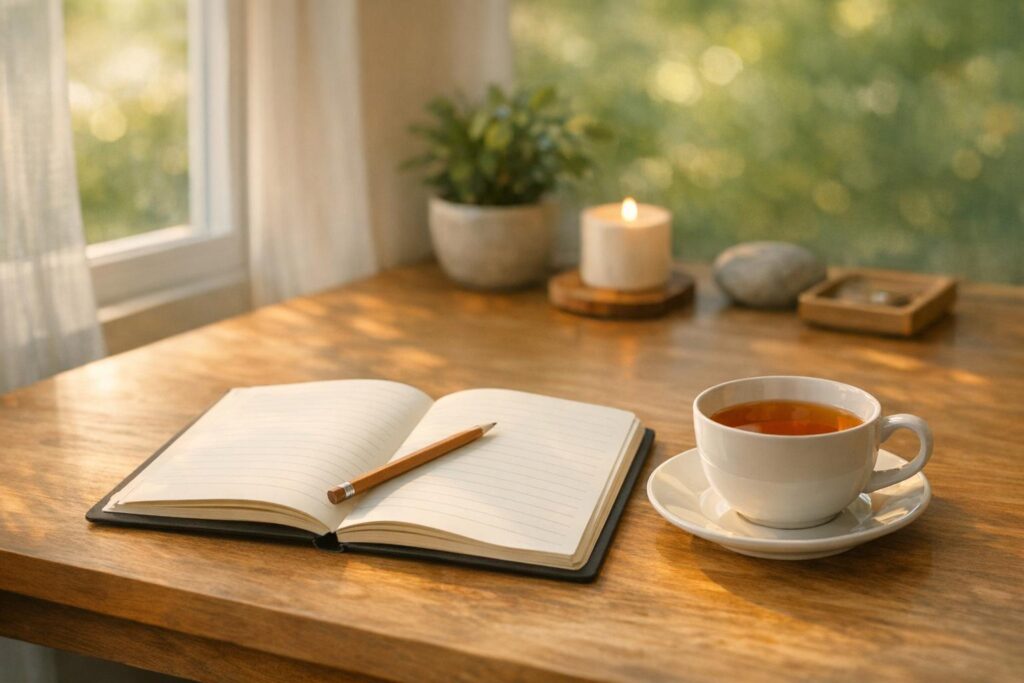
You do not have to be some kind of an artist to do these things, so you should try them out at least a few times and see if they help. Journaling is a great way of expressing your emotions and keeping track of what is stressing you out. You should also doodle when you have some spare time. Listening to music is an amazing stress reliever because it distracts you and helps you focus on something you enjoy. You can even learn a musical instrument! Practicing regularly will improve your mood and reduce stress levels. The same goes with painting or any other form of art that lets you express your emotions.
9. Behavioral Adjustments and Healthy Boundaries
Sometimes the source of stress can be in the way you do things, which means making adjustments to your current behavioral patterns can reduce it.
10. Do not procrastinate.
When you procrastinate on a task, you may feel that it is less stressful in the short term. Nevertheless, it can come back to bite you in the long run. It is important to break down big projects or tasks into small achievable goals that will give you a sense of accomplishment. You should also learn to say no. Sometimes you may feel that you do not have enough time or energy to take on additional tasks. In this case, it is important to learn how to say no. You are only adding stress to yourself by agreeing to things that you do not have time for. “No, thank you, I can’t take that on right now” is an appropriate response whenever you feel like this. If you still feel stressed, it is okay to ask for help.
11. Do not put pressure on yourself
Treat yourself as you would treat your best friend. Unrealistic expectations are often a source of stress and anxiety. Being kind to yourself is an important part of stress reduction.
12. Limit social media use
Constant connectivity is unhealthy and puts undue strain on your mental health. Turning off your phone an hour before going to sleep is a healthy alternative to spending too much time on social media. Try not to engage with social media as much as possible when you are at the dinner table.
13. Limit use of tobacco and nicotine
Smoking is often used as a coping mechanism because it suppresses the effects of stress, but it ultimately adds to your overall stress levels. It is best to avoid it as much as you can because it raises your heart rate and makes you tense.
The Anti-Stress Diet: Foods to Support Your Mood
The food that you eat contributes to your level of stress in small ways, so learning which foods to avoid can be an important part of your stress management plan.
The good stuff
Eat dark chocolate to reduce cortisol levels and help you feel better. It also has numerous nutrients that support your mood. Dark chocolate should be eaten in moderation, so treat yourself to a sweet snack every once in a while. Staying hydrated is also crucial when it comes to reducing your stress levels. Make sure to drink water throughout the day. Lastly, make sure to eat healthy and balanced meals and keep your energy levels consistent.
The not so good stuff
When you are feeling anxious, there is nothing better than sweets, candy, or a sugary snack to lift you up and give you energy. However, they often bring us down later in the day after our blood sugar levels drop. Eat healthy snacks instead of processed ones. They will help you feel good without giving you a crash.
Watch out for caffeine
Drinks such as coffee, energy drinks, and black tea will negatively impact your stress levels. Try limiting your intake of caffeinated beverages. Every person is different, so pay attention to how your body reacts to them.
Supplements: Do your research
There are vitamins and supplements that can help your body deal with stress, but it is important to conduct thorough research on them before purchasing them. It is best to speak with your primary care physician before doing so since they may advise against certain supplements or interactions with existing medication.
Stress-Busting Techniques for Everyone: Cheap, Safe, and Easy To Learn
Some stress-relieving activities and exercises can be unsafe or difficult to do. The following three are perfect for individuals with chronic illnesses, pregnant women, and everyone else. They can be performed in the comfort of your own home and are easy to learn.
Warm water therapy
Warm water therapy can be done in a variety of ways. Taking a warm bath or soaking your feet helps to reduce tension and promote blood circulation. Warm water is good for your body because it helps to relax your muscles and increase blood circulation without the need for drugs. Make sure that the water is not too hot, however.
Humming or singing
This exercise requires no equipment and can be performed anywhere at any time. Humming or singing stimulates the vagus nerve, which lowers blood pressure and reduces stress. You can hum to yourself in the shower or sing along to your favorite song. Your body will react positively to the vibrations produced by your humming or singing.
Progressive muscle relaxation or PMR
PMR is a simple and effective method of reducing stress and muscle tension. It can be used by pregnant women, people with chronic illnesses, and everyone else. It is also ideal for people that are looking for a cheap and easily accessible way of improving their well-being. It involves tensing and relaxing the muscles in different parts of your body. Start from your toes, tense them up for a few seconds, then relax. Then move on to your legs, stomach, arms, shoulders, and face. This exercise helps your body to distinguish between relaxed and tense muscles. You can perform this exercise sitting or laying down.
When Stress Starts To Damage Your Relationships
When you are stressed, you tend to snap at people more often. You begin to avoid your significant other more often, and you are unable to listen to what they have to say. This happens because your brain is unable to process things as efficiently as it usually does. It has nothing to do with your character or being a “bad partner”. It is perfectly normal to behave this way when you are stressed out. Couples therapy is a great way of learning to understand your partner and being able to connect with each other. The following simple exercises can be done at home:
Hold a conversation about your day for 10 minutes every day
Practice listening to each other and voicing out your concerns
Say something nice to each other
Final Words: You Can Do This!
There is no magic bullet for stress, but several actions can help you manage it. Choose a few stress-reduction methods from this article and weave them into your daily routine. Do not be discouraged if some methods do not work, because everyone is different. If you feel you need more support, that is okay. Talking to a relationship counselor can also help you learn to cope with your partner’s needs.
You can search for a nearby therapist who can support you in coping with stress and anxiety. For additional help with stress and emotional well-being, you can explore Theatre of Wellness online counseling. Theatre of Wellness offers services from an RCI Licensed, CBT-trained psychologist in India and provides a relevant starting point for those seeking professional support. If you seek an online counseling psychologist in India or the best psychologist in Panchkula, visit Theatre of Wellness to learn more.